
Experience Sylt: Nature, Cuisine and Tranquillity on Germany’s Island
Discover Sylt: nature, UNESCO Wadden Sea, beaches, culinary highlights and holiday homes for peace, relaxation and unforgettable North Sea experiences.
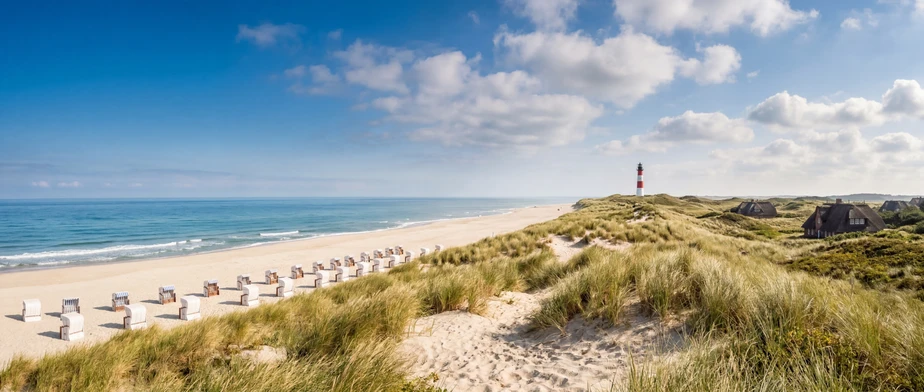
Sylt is more than just Germany's northernmost island. Covering 99 square kilometres with around 40 kilometres of sandy beach along the west and north coasts, it offers a mix of rugged coastal nature and understated elegance.
The island’s image is shaped by its characteristic thatched houses nestled between dunes and salt marshes. Since 1927, Sylt has been connected to the mainland by the Hindenburgdamm causeway.
Visitors do not come here for mass tourism or loud entertainment. Many guests deliberately choose a holiday home on Sylt so they can enjoy the island's peace and authenticity in a private setting. Sylt attracts people who want to slow down and who value nature, style and rest.
Nature as the main attraction
Almost half of the island is under nature protection. The heathlands in the east are home to around 2,500 animal species and 150 plant species, 45 percent of which are on the Red List. The population of the natterjack toad is particularly remarkable, as this species is considered endangered in Germany. Sylt's dunes are home to one of the largest populations in the country with several thousand individuals. Around 600 butterfly species also live here, including the small tortoiseshell, brimstone and peacock butterfly.
The Wadden Sea on the east coast was declared a UNESCO World Natural Heritage Site in 2009. At low tide, a world full of crabs, mussels, starfish and North Sea shrimps is revealed. Guided mudflat walks offer insights into this unique ecosystem, which also serves as an important breeding and resting area for migratory birds. West of the island lies a rearing area for harbour porpoises. Large populations of seals and the comparatively rare grey seals in German waters can also be observed on the sandbanks around Sylt.
Between relaxation and culinary pleasure
Since the 1960s, Kampen has been regarded as the island’s sophisticated hotspot. Fine dining restaurants sit alongside boutiques and galleries. Oyster farming in North Frisia has a long tradition, and Sylter Royal oysters count among the most sought-after regional delicacies. Restaurants such as Tipken's by, headed by renowned German chef Nils Henkel at Severin's Resort & Spa in Keitum, focus on local produce and fresh North Sea fish. North Sea plaice features high on many menus.
Westerland, the island's largest town, forms the tourist centre. Most hotels, restaurants and shops are located here. The beach at Westerland, with its characteristic blue and white striped beach chairs, has become a symbol of German coastal culture. To the south lies Rantum, known for its salt marshes and the island’s narrow waist, where the North Sea and Wadden Sea are separated only by a small strip of land.
Bad weather? No problem
When the weather changes and North Sea winds sweep across the island, Sylt reveals another, equally appealing side. Many holiday homes and hotels are designed to feel cosy even in wind and rain. Some guests then relish the quiet time with a book, cook with regional ingredients or watch films and series.
Others turn to digital entertainment such as streaming services or platforms like Casino777 to pass the time. For many, wellness offers are also among the highlights of a stay on Sylt. The Lanserhof Sylt, opened in 2022, combines cutting-edge medical technology with traditional sauna facilities and cell regeneration therapies.
An island to return to
Many visitors to Sylt come back again and again. The blend of unspoilt landscapes, culinary highlights and a very special atmosphere seems to exert a lasting pull. Despite being only around 23 kilometres long and at some points just 500 metres wide, the island offers remarkable variety. From the red cliffs of glacial moraine rising up to 30 metres along the west coast, to the flowering heathlands and prehistoric megalithic tombs, Sylt is both geologically and culturally diverse.
Anyone who has stood at sunset on the Ellenbogen, Germany’s northernmost headland, watching the two lighthouses push back the darkness, understands why people find it hard to let go of this island. Sylt does not seek loud applause. The island is quiet and constant, with a power that only reveals itself over time.
More articles
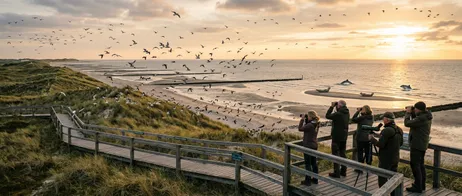
Birdwatching and Marine Wildlife: Biodiversity around Sylt
Sylt captivates with birdwatching, the Wadden Sea, seals and fascinating nature experiences full of biodiversity on the North Sea coast.
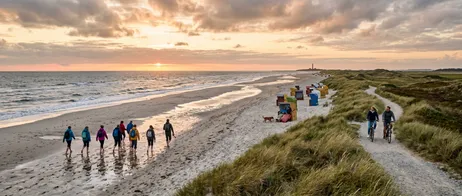
Mudflat hiking, cycling and consciously experiencing the sea
Mudflat hikes, cycling and fresh sea air turn a North Sea holiday into the perfect blend of activity and relaxation.
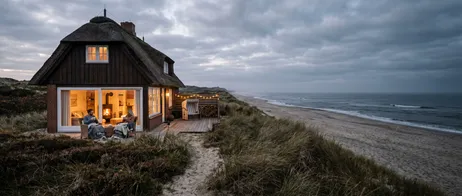
Sylt in the off-season: stormy walks, wide horizons and calm
Experience Sylt in autumn and winter: calm, stormy beach walks, relaxation and cosy holiday days in the quiet off-season.
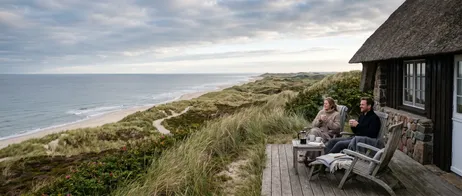
Quiet Beach Sections on Sylt: Tips Away From the Crowds
Experience Sylt at its quietest and discover peaceful stretches of beach away from well-known hotspots and surrounded by nature.
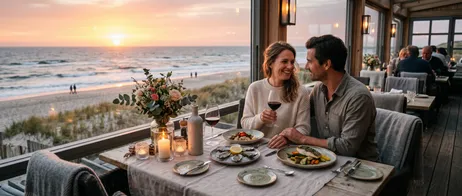
Romantic Dinner Ideas for Special Evenings on Sylt
A romantic evening on Sylt often begins well before dinner. Ideas for quality time together with a beach walk, tearoom visit, wellness and a candlelight dinner.
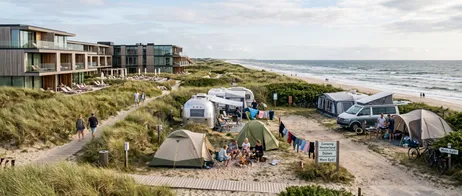
Sylt for Every Budget: Camping or Luxury Holiday
Campsite, holiday apartment or luxury resort: On Sylt, travelers will find suitable accommodation for every budget and get an overview of the available options.
